
Fall is notorious for ushering in a host of viral illnesses among school-aged children. Understanding what is circulating can help you better manage your child’s unexpected fevers and rashes.
To help you navigate this tricky time of year, we’ve put together a guide to the most common fall viruses we see in our clinic. If you find yourself wondering whether your child’s symptoms are just a standard cold or something more, here is a breakdown of what to watch for.
Understanding the ‘Fifth Sickness’ (Fifth Disease)
Fifth disease, medically known as erythema infectiosum, is a highly contagious condition caused by the parvovirus B19. It frequently spreads in childcare settings and elementary schools.
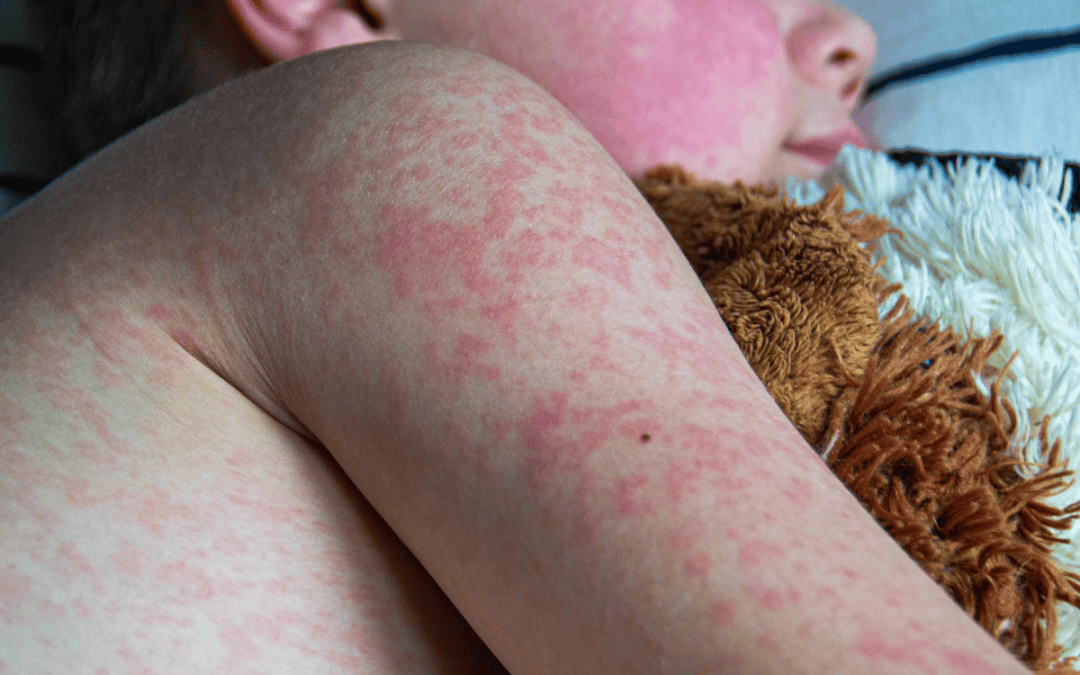
- Symptoms: The illness typically begins with mild, flu-like symptoms, including a low-grade fever (99° to 101°F), runny nose, fatigue, and headaches. About four to 14 days after these initial symptoms, a bright red “slapped cheek” rash appears on the face. A lacy, net-like rash can also develop on the chest, back, and limbs.
- What Parents Should Know: The virus is most contagious before the rash even appears, during the initial cold-like phase. By the time you see the distinctive red rash, your child is usually no longer contagious and can return to school if they have been fever-free and feel well. While it usually causes mild symptoms in kids, pregnant women and individuals with weakened immune systems should consult a doctor if exposed.
Other Common Fall Viral Illnesses
While colds and the flu are frequent flyers in the fall, several other viruses cause worry for parents due to their accompanying rashes, respiratory issues, or high fevers:
Roseola (Sixth Disease)
Roseola is a viral infection caused primarily by human herpes virus 6 (and sometimes 7). It is most common in older infants between 6 and 15 months old.
- Symptoms: It typically begins with a sudden, high fever—often reaching 103°F or higher—that lasts for three to five days. As the fever suddenly breaks and goes away, a rash of flat or slightly raised pink patches appears, usually starting on the chest, back, and belly before spreading outward.
- What Parents Should Know: The sudden high fever can be alarming and, in some otherwise healthy children, can trigger a short-lived febrile seizure (convulsions caused by a rapid temperature spike). Despite this risk, the illness is typically mild. The subsequent rash is rarely itchy or painful.
RSV (Respiratory Syncytial Virus)
RSV is a highly contagious respiratory condition that often peaks in the fall and winter months.
- Symptoms: RSV can cause congestion, wheezing, and difficulty breathing. In older children and healthy adults, RSV usually mirrors the common cold. In infants younger than 6 months, however, it can be much more serious, leading to decreased activity, difficulty feeding, and dangerous inflammation of the small airways (bronchiolitis) or pneumonia.
- What Parents Should Know: Because RSV can lead to severe breathing problems in babies and toddlers, parents should closely watch for worsening symptoms that could indicate a need for medical attention. Proper hand hygiene and staying away from sick individuals are your family’s best preventative measures.
Hand, Foot, and Mouth Disease (HFMD)
Highly contagious and common in daycares, HFMD sweeps through classrooms quickly. It is caused by a group of enteroviruses and mostly affects children under 5 years old.
- Symptoms: HFMD starts with a fever, sore throat, and a loss of appetite. A day or two later, painful blister-like sores develop in the back of the mouth, followed by a skin rash—often presenting as flat or raised red spots—on the palms of the hands and soles of the feet.
- What Parents Should Know: Mouth sores can make swallowing painful, causing children to refuse food or drink. Offering cold fluids like water or popsicles can help soothe the mouth and prevent dehydration. To stop the spread, wash your hands for at least 20 seconds with soap and water after changing diapers or assisting your child in the bathroom.
Managing Symptoms at Home
Since these illnesses are viral, antibiotics will not cure them. Instead, treatment focuses on supportive care while the body fights off the virus.
- Stay hydrated: Encourage small, frequent sips of water, clear broths, or pediatric electrolyte solutions to prevent dehydration.
- Control fevers: Use over-the-counter fever reducers like acetaminophen or ibuprofen (for children over 6 months) to ease discomfort and bring down high temperatures. Never give aspirin to children.
- Provide rest: Ensure your child gets plenty of sleep to help their immune system recover.
- Prevent the spread: Use good hand-hygiene techniques, sanitize frequently touched surfaces like doorknobs and toys, and teach children to cover their coughs and sneezes.
When to Visit PromptMD Urgent Care
While most of these common childhood illnesses can be managed safely at home, there are times when medical intervention is necessary. You should visit PromptMD Urgent Care if your child experiences:
- A fever higher than 104°F, or a fever that lasts more than three days
- Signs of severe dehydration, such as dry diapers for 8 hours, no tears when crying, or extreme lethargy
- Trouble breathing, rapid breathing, or severe wheezing
- A rash that looks like small bruises or purple spots that do not fade when you press a glass against them
- Symptoms that worsen significantly after initially seeming to improve
We understand how stressful it can be when your little one is sick. Our experienced medical team is here to provide accurate diagnoses, rule out bacterial infections like strep throat, and offer peace of mind. We can guide you on the best symptom management strategies so your child can get back to just being a kid.
Don’t let fall viruses keep your family down. Walk in or check in online today for fast, compassionate pediatric care at PromptMD Urgent Care!